

Introduction: The Importance of Cultural and Religious Accommodations
Selecting an assisted living community is a deeply personal decision for families in Sewickley, Pennsylvania. Beyond the basics of quality care and a welcoming environment, many families are seeking communities that recognize and respect the diverse cultural and religious backgrounds of their loved ones. As Sewickley’s population grows more diverse, assisted living facilities in the area are increasingly recognizing the vital role these accommodations play in enhancing residents’ quality of life and maintaining their sense of identity.
Understanding Sewickley’s Unique Community
Sewickley is known for its picturesque setting along the Ohio River, historic homes, and a vibrant local culture shaped by generations of residents and newcomers alike. The town’s close-knit nature and emphasis on community values have fostered an environment that is attentive to the needs of elders from all walks of life.
Residents in Sewickley may come from various religious or cultural backgrounds—whether they are lifelong Western Pennsylvania natives or retirees who have relocated for the town’s charm and proximity to Pittsburgh. This diversity means that no “one size fits all” approach will suffice when it comes to the spiritual and cultural lives of assisted living residents.
What Are Cultural and Religious Accommodations?
Cultural and religious accommodations in assisted living are modifications or services designed to support a resident’s faith-based practices, dietary requirements, traditions, and community rituals. These adaptations are essential to respecting each individual’s dignity and fostering a true sense of belonging.
Common accommodations include:
- Access to religious or spiritual services—on-site or through transportation to local places of worship
- Culturally relevant meals and dietary accommodations (e.g., halal, kosher, vegetarian, or fasting considerations)
- Observance of religious holidays, festivals, and rituals
- Opportunities for social and cultural engagement reflecting a resident’s heritage
- Language support or translation services where needed
Why These Accommodations Matter for Assisted Living Residents
For many seniors, religious practices and cultural traditions offer emotional comfort, structure, and a source of community. Moving into an assisted living facility can be a major transition, often accompanied by feelings of loss or disconnection. Accommodating these personal values can play a crucial role in helping residents maintain their sense of self and improve their overall well-being.
Research suggests that seniors who feel understood and respected in their religious and cultural identities experience:
- Greater emotional stability
- Lower rates of depression and anxiety
- Enhanced engagement with community life
How Sewickley Assisted Living Communities Are Adapting
Assisted living communities in Sewickley are actively adapting to the growing need for cultural and religious inclusivity. This is reflected in their:
- Partnerships with Local Faith Organizations: Many facilities collaborate with local churches, synagogues, mosques, and temples to offer on-site services or facilitate transportation for residents wishing to attend religious ceremonies.
- Customized Dining Programs: Chefs and dietary managers are increasingly working alongside residents and families to offer meals that respect religious dietary laws or cultural preferences.
- Celebration of Religious and Cultural Holidays: It’s common to see events for Christmas, Hanukkah, Ramadan, Easter, and even cultural festivals like the Chinese New Year or Diwali within assisted living communities.
- Scheduling Flexibility: Recognizing that prayer or religious observance may occur at specific times, staff are trained to support residents in maintaining their personal routines without interruption.
- Education and Training for Staff: Facilities invest in cultural competence training so that caregivers understand the nuances of different traditions and faiths.
Sewickley’s Local Resources for Cultural and Religious Support
Sewickley’s location in the greater Pittsburgh area offers robust community resources for those seeking faith and cultural connections:
- The Sewickley Presbyterian Church and its outreach programs
- St. James Catholic Church, with a long-standing presence in the area
- The Beth Samuel Jewish Center in nearby Ambridge, which welcomes residents for Jewish holidays and cultural events
- The Islamic Center of Pittsburgh, offering support and services for Muslim residents
- Sewickley Public Library, often hosting multicultural events and language conversation groups
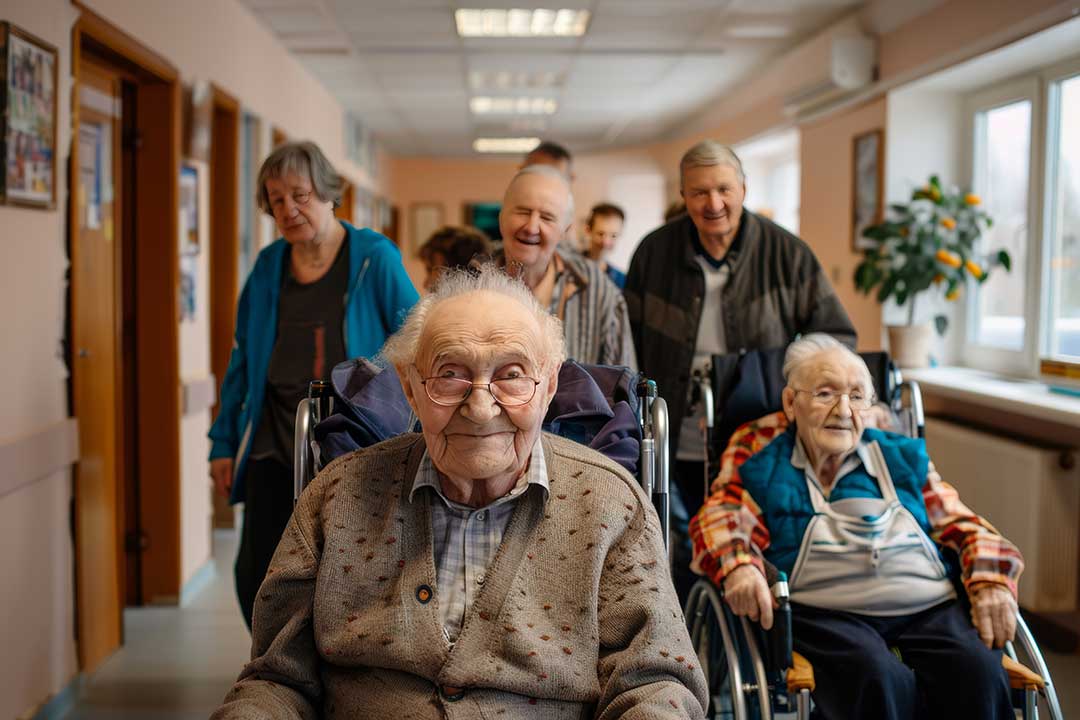
Many assisted living communities leverage these local resources to enhance the experience of residents and foster meaningful connections beyond their walls.
Frequently Asked Questions (FAQ) about Cultural and Religious Accommodations
Are special meals available for residents with specific religious diets?
Yes—most Sewickley assisted living facilities are willing to make dietary accommodations for medical or religious reasons, provided they are informed in advance about the resident’s needs.
How do assisted living communities help residents celebrate religious holidays?
Communities often invite local clergy, arrange on-site services, offer themed meals, and decorate for major holidays. They may also encourage residents and families to share their traditions with others.
Can residents attend services at their place of worship?
Assisted living facilities in Sewickley frequently provide scheduled transportation or coordinate with local volunteers to enable residents to attend services or important religious events off-site.
How do staff learn about different cultural or religious needs?
Many facilities invest in ongoing education for their teams, including diversity and inclusion seminars and cultural competence training specifically geared toward elder care.
Tips for Families: Choosing an Inclusive Assisted Living Community in Sewickley
When selecting a community for your loved one, consider the following steps:
- Ask about staff training and policies regarding cultural and religious accommodations.
- Inquire about meal planning processes to accommodate dietary restrictions.
- Review the calendar of events for evidence of multi-faith or cultural celebrations.
- Tour the community and take note of spaces dedicated to reflection or prayer.
- Discuss your loved one’s traditions, holidays, and language needs with the admissions team.
Conclusion: Fostering Belonging and Dignity
Cultural and religious accommodations in assisted living are not simply a matter of convenience—they are foundational to honoring the dignity and life stories of Sewickley’s seniors. By embracing diversity and partnering with local organizations, assisted living communities ensure that every resident feels truly at home.
Families seeking the best for their loved ones should prioritize these considerations to ensure not only safe and competent care but also a nurturing environment where personal heritage continues to thrive.
