
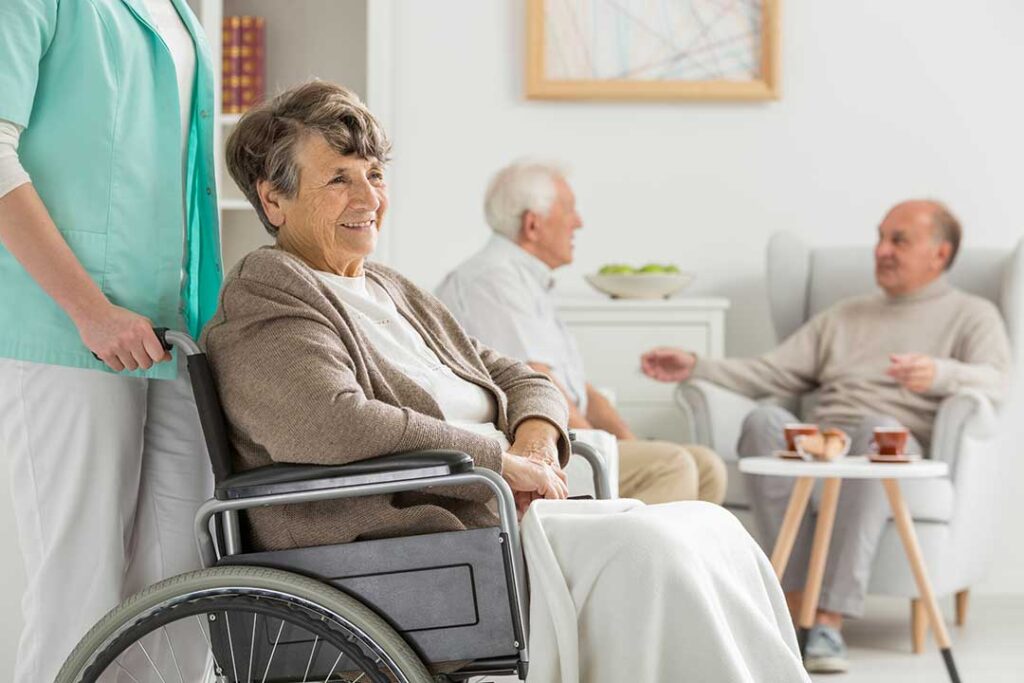
Assisted living can support senior mobility by combining regular movement, safer surroundings, help with daily tasks, and attention to changes in strength or balance. The goal is not to make every resident exercise more; it is to help each person move as safely and independently as possible.
Mobility includes more than walking. It also involves standing from a chair, getting in and out of bed, using stairs, bathing, dressing, reaching, turning, and moving through shared spaces. In an assisted living setting, these everyday activities become opportunities to maintain function rather than tasks that are automatically taken over.
Why does mobility often decline with age?
Mobility may change because of muscle loss, joint stiffness, arthritis, balance problems, vision changes, pain, medical conditions, or fear of falling. A person who has fallen may begin walking less, avoiding stairs, or remaining seated for long periods. That reduced activity can lead to further weakness and less confidence.
Seasonal conditions can also affect routines. In Sewickley, winter cold, snow, ice, and shorter daylight hours may make outdoor walking more difficult. Indoor movement, clear walkways, appropriate footwear, and planned activities can help residents stay active when outdoor conditions are unfavorable.
Reduced mobility does not always mean a person needs complete assistance. Many older adults benefit from the right amount of support while continuing to do parts of a task independently.
How does assisted living encourage regular movement?
Assisted living often places meals, social activities, common rooms, and outdoor areas within a walkable environment. This can create more natural movement throughout the day than a home where a resident spends most of the time in one room.
A typical day may include:
- Walking to meals instead of eating every meal in a private room
- Standing and moving during group activities
- Walking short distances with a cane, walker, or another mobility aid
- Participating in seated or standing exercise
- Moving between indoor and outdoor areas when conditions are safe
- Completing portions of dressing, grooming, or other daily routines independently
These short periods of activity may seem modest, but repeated movement can help preserve endurance and confidence. The Centers for Disease Control and Prevention recommends that older adults include aerobic activity, muscle-strengthening activity, and balance exercises, adjusted to individual ability and health status. ([cdc.gov](https://www.cdc.gov/physical-activity-basics/adding-older-adults/what-counts.html?utm_source=openai))
What kinds of exercise may be included?
Mobility-focused programs usually combine several types of activity rather than relying only on walking. Strength exercises may include repeated sit-to-stand movements, leg exercises, light resistance work, or supported standing. Balance activities may include weight shifting, controlled stepping, or exercises performed while holding a stable surface.
Flexibility and range-of-motion activities can also make everyday movements easier. Gentle ankle, knee, shoulder, and hip movements may help a resident prepare for walking, transfers, or dressing.
Activities may be adapted for different ability levels:
- Seated exercise for someone who cannot safely stand for long
- Supported standing for someone rebuilding strength
- Short walking intervals for someone with limited endurance
- More challenging balance exercises for a resident who is already steady
- Rest periods for residents managing fatigue, pain, or breathing limitations
The National Institute on Aging notes that aerobic, muscle-strengthening, and balance activities can improve physical function and support tasks such as getting out of a chair, moving around the home, and managing household activities. ([nia.nih.gov](https://www.nia.nih.gov/health/exercise-and-physical-activity/health-benefits-exercise-and-physical-activity?utm_source=openai))
Exercise should not be treated as a competition. A safe program is based on the resident’s medical condition, current abilities, goals, and response to activity.
How do staff support mobility without taking away independence?
Helpful support is often described as “as much help as needed, but no more than necessary.” If a resident can safely complete part of a task, allowing that participation may help maintain strength and confidence.
For example, a resident may be able to:
- Choose clothing while receiving help with fasteners
- Stand at the sink while someone remains nearby
- Walk part of the way to a dining area
- Transfer from a chair with verbal reminders
- Use a mobility aid independently after it has been properly fitted and explained

Taking over every task may be quicker, but it can reduce opportunities for movement. On the other hand, expecting someone to manage an unsafe task alone can increase fall risk. Good assistance balances independence with supervision and safety.
How does the environment affect walking and balance?
A supportive environment can reduce unnecessary obstacles and make movement easier to manage. Important features may include well-lit hallways, uncluttered floors, stable furniture, accessible bathrooms, handrails, and seating areas where residents can rest.
Lighting deserves special attention. Glare, shadows, and poor visibility can make changes in flooring or obstacles harder to see. Vision problems may also cause a resident to misjudge steps, doorways, or distances. Regular vision care and adequate lighting can therefore contribute to safer mobility.
Footwear matters as well. Shoes that fit securely and provide adequate traction are generally safer than loose slippers or smooth-soled footwear. Mobility aids should be the correct height and used consistently according to instructions.
Outdoor conditions require additional planning in a community with changing seasons. Wet leaves, snow, ice, and uneven surfaces may make walking less safe. Indoor routes can provide an alternative when outdoor paths are slippery or visibility is poor.
Can assisted living help prevent falls?
Assisted living cannot eliminate falls, but it may help identify risks earlier and create routines that reduce them. Fall prevention may involve reviewing a resident’s walking pattern, asking about dizziness, checking whether a mobility aid is being used correctly, and noticing changes in strength or alertness.
Medication side effects can sometimes contribute to sleepiness, dizziness, or low blood pressure. The CDC advises older adults to discuss fall risk and medication concerns with a doctor or pharmacist rather than changing medicines independently. ([cdc.gov](https://www.cdc.gov/falls/prevention/index.html?utm_source=openai))
Other factors may include dehydration, weakness after an illness, poorly fitting footwear, urgency related to bathroom use, or a change in vision. A new fall, repeated near-falls, sudden weakness, or a noticeable change in walking should be brought to the attention of the resident’s healthcare team.
What should families ask about mobility support?
Families may want to ask specific questions rather than simply asking whether exercise is available:
- How are residents encouraged to walk during the day?
- Are activities adapted for different strength and balance levels?
- How are changes in walking or transfers documented?
- What happens after a fall or near-fall?
- Are residents encouraged to participate in daily tasks safely?
- How are mobility aids stored, checked, and used?
- What indoor options are available during snow, ice, rain, or extreme temperatures?
- How are family members informed about meaningful changes in function?
These questions can help clarify whether mobility is treated as part of daily living or only as a scheduled activity.
Maintaining mobility is usually a gradual process. Consistent walking, strength work, balance practice, safe surroundings, adequate nutrition, and timely attention to health changes can all contribute. Assisted living is most supportive when it helps older adults remain involved in their own routines while providing the supervision and assistance needed for safety.
