
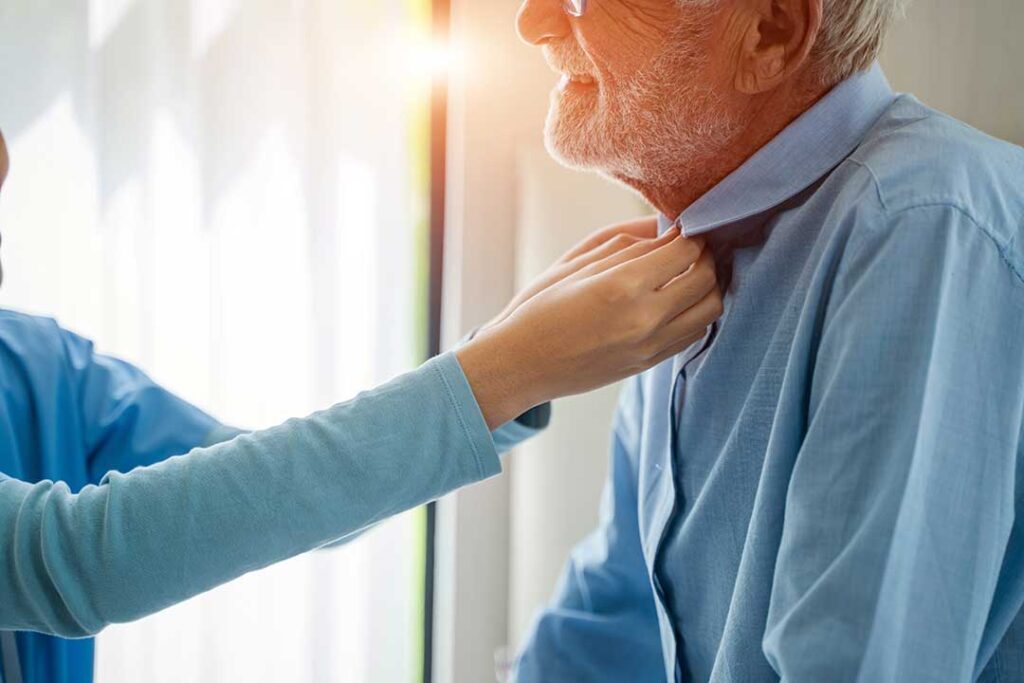
What Safety Protocols Are Common in Assisted Living Communities?
Assisted living communities in Sewickley, PA, maintain thoughtful safety protocols to minimize risk and offer residents daily peace of mind. Residents and families often ask how these protocols work, where responsibility lies, and what to expect in emergencies.
Safety measures typically address physical hazards, fire prevention, medication handling, and daily supervision:
- Emergency Notification Systems: Apartments and common areas are usually equipped with call systems. Residents can quickly signal for help, even at night or after a fall.
- Fire Safety: Buildings follow state fire codes, with smoke detectors, sprinkler systems, and regular drills. Room layouts consider easy evacuation and clear access to exits.
- Accessible Design: Hallways, bathrooms, and living spaces use features like handrails, non-slip flooring, and wheelchair-friendly doors to reduce fall risk.
- Visitor Management: Entry points are secured and monitored, with sign-in requirements for visitors and contractors. This helps maintain a safe environment, especially during group activities or mealtimes.
- Medication Procedures: Staff members oversee prescription storage and remind or assist with doses, which reduces errors and misuse.
Residents are encouraged to ask about routine checks, night staffing, and how support is tailored based on mobility, vision, or personal health. Families often help personalize safety practices, such as labeling items or clarifying allergies—small steps that can make daily living safer.
How Are Infections Prevented in Communal Living Settings?
Infection prevention in assisted living combines everyday hygiene, public health guidelines, and local experience with seasonal patterns and regional illnesses.
The most relevant practices include:
- Strict Hand Hygiene: Staff are trained in frequent handwashing, and hand sanitizer is offered at entrances and shared spaces. Residents and visitors receive regular reminders about hand cleanliness, especially during peak cold and flu months.
- Surface Disinfection: Cleaning protocols target high-touch areas—like elevator buttons, doorknobs, dining tables, and shared bathrooms—using approved disinfectants.
- Vaccination Encouragement: Residents and staff are routinely reminded about the importance of recommended vaccines, including annual flu shots and updates for other preventable diseases.
- Visitor Policies During Outbreaks: Policies may change seasonally or in response to local outbreaks of flu, norovirus, or other illnesses. Extra restrictions or health screenings help keep the community healthier.
- Education: Regular informational sessions or posted updates keep everyone aware of how illnesses spread and what symptoms deserve attention.
Misunderstandings can happen. For instance, some residents may worry about being "locked down." Policies generally aim for balance—limiting risk but also preserving the sense of freedom and belonging that communal living provides.
How Does the Local Climate Affect Infection Risks?
Sewickley’s climate—with cold, wet winters and humid summers—impacts infection risk in several practical ways. Cold months increase time spent indoors, making respiratory viruses more likely to circulate. Summer storms and humidity can affect building ventilation and increase the risk of mold or allergens.
To stay ahead of these factors:
- Air filtration and humidity control are monitored, especially in communal areas and resident rooms.
- Common areas are ventilated frequently, weather permitting, to reduce airborne germs.
- Building maintenance teams address any leaks, standing water, or dampness that can contribute to mold or mildew.
Residents can help by promptly reporting issues like condensation, musty smells, or drafts. This local awareness makes a meaningful difference in identifying problems early.
What Steps Are Taken During Flu Season or a Community Outbreak?
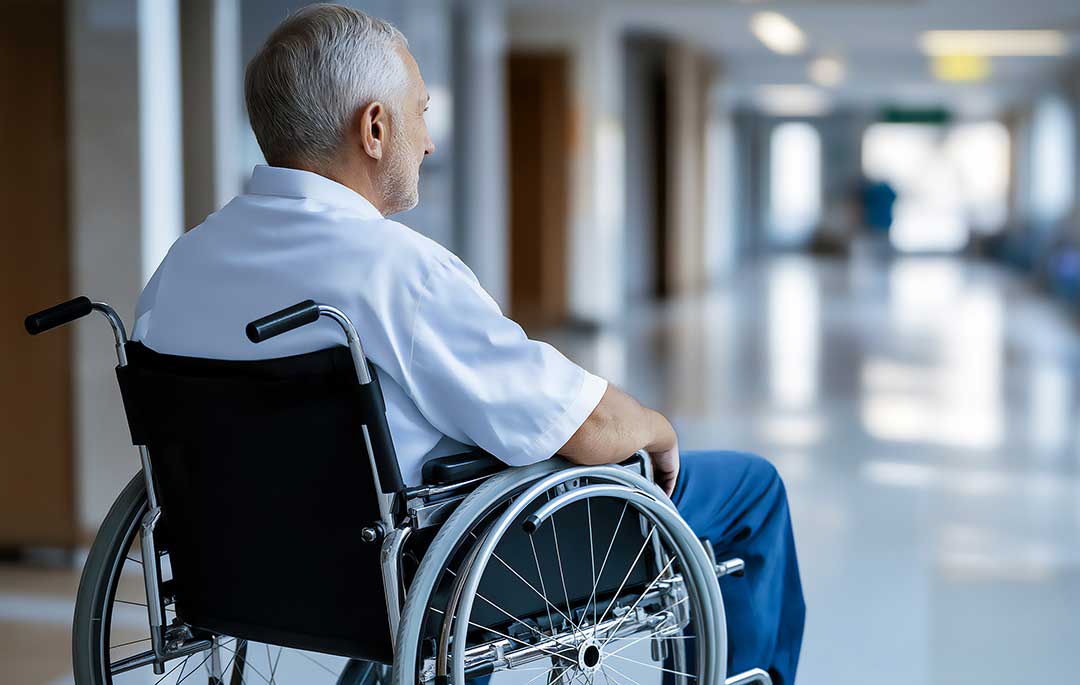
When local health officials warn of increased illness in the region, assisted living communities adapt quickly. Residents often wonder what changes to expect and how daily routines might be affected.
Common response steps include:
- Increased monitoring for cough, fever, or new symptoms among residents and staff
- Temporary limits on large gatherings or visitors, especially in enclosed spaces
- Enhanced cleaning of shared areas, and sometimes providing personal protective equipment like masks
- Regular updates from staff to residents and families, explaining any changes in routine or restrictions
During these periods, staff may also help coordinate telehealth visits or arrange for meals to be served in private areas for those who prefer to limit contact.
Who Oversees Infection Control and Safety Standards?
In Sewickley, assisted living communities follow state and local health department regulations for both safety and infection prevention. Oversight comes from a mix of licensed administrators, nurses, and regular external inspections.
Key points residents often ask about:
- Staff are trained in both caregiving and infection control as part of their continuing education
- Emergency procedures—like fire drills or infectious disease response—are practiced at intervals defined by regulations
- Facilities are inspected by state agencies to ensure compliance with health and safety standards
Residents and families are welcome to request documentation or learn about the results of recent inspections.
What Role Do Residents and Their Families Play in Safety?
Residents, families, and staff work together to help a community thrive. Residents may take part in safety committees, offer input during meetings, or participate in practice drills. Family members often provide additional medical history and check for updates on evolving protocols.
Open communication is essential. If a resident notices an unfamiliar person, an unlocked door, or a maintenance issue, staff welcome these observations. Likewise, simple daily practices—covering coughs, careful hand hygiene, or honest reporting of symptoms—are some of the most effective ways anyone can contribute to a safer environment.
